 EN
EN

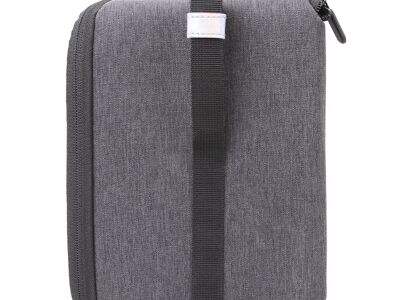
When it comes to hard shell cases, how EVA (Ethylene Vinyl Acetate) is treated is a big factor in the strength of the overall of the case as well as its longevity. The reasons why EVA is being used in cases includes being lightweight, flexible and shock absorbing hence, its use to cover items being kept in the cases. Not every EVA case is equal though. Others are made out of a single piece, and the others cut and glued or sewed together. Which one will you go for? Whether you mold or cut is up to you and the end result is the toughness of the case. The level of difference is so valued that we know at HongJun as we deal with EVA materials every day. This paper will cover the two main processes of EVA into hard shells and its effects on product life cycle and performance.
Hard Shell Cases: EVA Molding and Cutting Methods - How to Choose?
EVA, in the process of molding, involves heating the material until it is pliable and then placing it in a mold inscribed in a piece of plastic that has been cut to one continuous piece. It implies that the hard shell is extremely robust and does not have weak areas where various parts meet. When the EVA cools, it solidifies itself into a strong and permanent structure that will never crack or break despite using it extensively. As an example, electronics or tools can be fully covered by a molded Eva Case because a shell can absorb the shocks in an equal way. Cutting and splicing, however, is performing half the work of the platitudes such as burst out of that Pea and gluing them back up with glue or stitches. It is a more economical way to construct a project faster, but this is at the cost of spots that may wear out or loosen as time passes. Just imagine a situation that is full of seams; when it is dropped or pulled excessively then the seams may begin tearing or the glue may lose its grip. Manufacturers sometimes cut them as it makes it easier or to save money. However, in the long-term, it is normally outperformed by moldy EVA. And lastly is the fact that molded surfaces tend just to just appear cleaner and more professional since it is made in a single swoop with no tell-tale seams.
Where to Get EVA Hard Shell with Advanced Molding Technology?
Good, well-molded EVA cases are hard to find as not every factory has the required machines or skills. At HongJun, we dedicate ourselves to introducing advanced molding tech nology that shapes EVA with exquisite detail. This translates to a perfect fit for every case, smooth finish and it functions as strong protection gear. Our machines carefully heat the EVA to just the right temperature, and then press it into molds created by experts. This way, the best properties of the material (elasticity and shock absorption) are preserved. Some factories do only cutting and splicing, she said, because molding entails larger investments and more training for workers. But when quality counts, molding sports the advantage. Going with a partner like HongJun means the cases you’re getting are going to last and have less chance of failure. We pay extreme care to every detail. For instance, the EVA thickness is regulated to create a Glass Case that is rigid but not too heavy. The dies are cleaned and polished periodically so they will not cause streaking or stretching of the cases. And we also test samples under hard conditions to ensure they hold up well.” If you are looking for cases that offer true protection for expensive equipment, it is critical to confirm that the factory uses molding technology. On occasion, cheap-looking cuts and glue lines are buried under fast-breaking cases. When you work with HongJun, however that’s not an issue because we are experts at molding EVA hard shell product both attentively and skillfully.
What are the Significant differences in life span between EVA Molded and Spliced Hard Shell?
When we think about the lifespan of hard shell products, it is largely due to how the EVA material is created. EVA is short for Ethylene Vinyl Acetate – a soft, durable plastic that’s been used for protecting case and bag exteriors. There are two ways to produce hard shells from EVA: through molding and through cutting with splicing. Both impact how strong and durable the finished product will be.
EVA molded hard shells EVA material is heated and shaped in a mold. That means the shell is a single piece with no joints or seams. Your Subframe is molded into the shell and you have no weak points where parts join, so it’s extreme durability. They withstand pressure, drops and regular wear and tear better than other versions.
In contrast, hard shells produced by cutting and splicing include cutting EVA sheets into shapes and assembling these profiles. Typically, either glue or heat is used to affix the pieces. This process can allow for more flexible designs and may be good to use if you want a custom size or shape. But the spots where two pieces come together, known as seams, tend to be weaker than solid areas. These seams can over time peel, split or wear out as the product is used roughly, or gets wet a lot.
At HongJun, we hand pick from the best processing method to ensure our hard shell products will outlast your toughest adventure. Our molded EVA shells are the very best option for customers who seek ultimate strong/solid and long-term protection, as they feature no weak seams and can withstand heavy use. If a special design is required, splicing could be employed — but we consistently ensure our joining methods are both robust and proven for lifetime performance.
In short, molded EVA hard shells tend to have greater durability than spliced ones since they are formed by a single piece. While a spliced shell allows for more design options, careful joining is required to maintain its strength. Understanding these disparities will help buyers select the best product for their needs and money.
What Wholesale Buyers Should Know?
As a wholesaler, it is very important for you to know how EVA hard shell materials are produced and how this influences the durability and cost of the product. At HongJun, we hope can help you make smart choices so that you can offer products your customers will love and appreciate.
First off, understand that molded EVA hard shells are typically more expensive to make than nylon-covered fabrics, as special molding machinery and heating processes are involved. But many of these extra dollars are an investment because the products last longer and break less frequently. That means less returns and happy customers. If you sell cases or bags that are designed to keep special items, such as electronics, safe from damage, then molded EVA is an excellent option.
Spliced EVA products, on the other hand, can be cheaper to produce, because they are made with flat sheets that are cut and pasted together. This is quicker and less hassle for small orders or for custom work. But you may sacrifice some of the durability, and might expect to see more problems with seams coming apart over time if you’re a heavy user. Quality of the glue or heat joining method should be visually inspected by wholesale buyers because bad splicing can create troubles.
Also on the demerit side is this product’s look. Commonly these molded EVA shells look more sleek and clean, with no visible stitching, something many customers prefer. Spliced shells could have lines or joins which some people might not like the look of. This could impact sales, depending on your market.
HongJun has molded and spliced EVA hard shells in all sizes available for bulk purchase. We collaborate with wholesale buyers to select the right material and process for their product from design and budget perspective. We also offer samples and durability tests so you can see how it compares to the competition yourself.
Molding vs. Splicing Explained
When making a purchase decision on EVA hard shell products, it is highly necessary to understand the distinction between molding and splicing. However, they are two alternative procedures to make EVA, and they behave in radically different ways, influencing both the strength of the outcome and its aspect.
Molding is the process of loading huge amounts of EVA when it is soft and squishy or very liquid and pressing it into a mold which you can imagine as a specially shaped mould. When the material cools it becomes solid in a hard mould. Consider it as making a chocolate mold, whereby chocolate perfectly fits into a mold and is removed at once. Since the shell is formed in a form of a single piece, no seams or glued sections exist. That is why the shells that come in molded are so tough and water proof. It is smooth and pleasant to touch and the shape is quite precise. Our modernization concept in HongJun is based on high quality and protective properties of items manufactured in our high-quality and high-level moulding machines.
Splicing is different. It starts with sheet EVA which comes in flat sheets that are cut in various ways depending on the design needed. Such parts are then glued or welded together using adhesive or heat. Imagine cutting pieces of puzzles out of a sheet and gluing them to create a box. It is also a process where manufacturers can also create lots of shapes and sizes without incurring high costs of molds. But the showings of patches can be lines of weakness. If the glue isn’t strong enough or if the heat seal is not properly performed, Littlejohn says, then it’s possible the shell can develop a “little opening.”
The decision between molding and splicing depends on which is more important: robust, continuous protection or the greater design flexibility. Molded shells make sense for products that need to be durable and endure, too, like protective Tool Case for electronics or tools, as well as sports gear. Slices shells are a good choice if you have a special size or shape of product that can not EASILY be done via mold, or if the order is small and we prefer to use this tool because it is less expensive.